

A municipal hearing was held in San Juan de Arma as anti-oil advocates call for the National Agency of Environmental Licenses (ANLA) to revoke the licenses it has granted to Hocol in the nearby area.
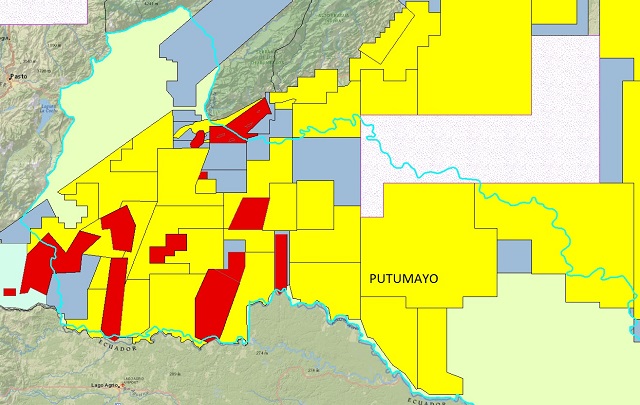
Looking to end a surge of strikes in Putumayo, the Ministry of Environment (MinAmbiente) said it will lead in creating an “inter-institutional committee” for the department. The ministry said it was to deal with “inadequate hydrocarbons practices,” but its statement talked exclusively about illicit crop eradication.
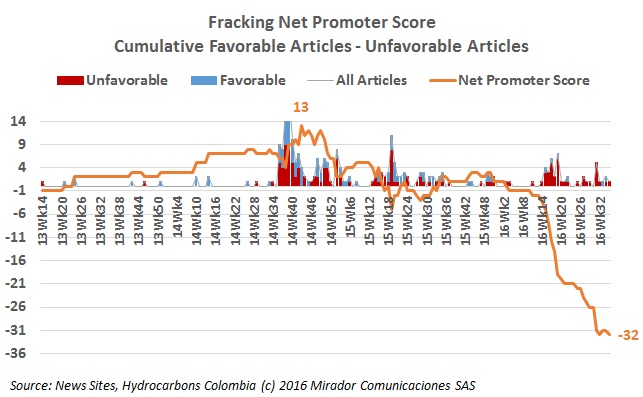
The warnings which have emerged against fracking and unconventional production are without merit and have demonized the technique in Colombia, even though it is an opportunity to ensure energy self-sufficiency in Colombia, said Francisco Lloreda, president of the Colombian Petroleum Association.
The director of the National Agency of Environmental Licenses (ANLA) addressed the Chamber of Representative’s Second Commission and laid out the mission of the entity and its role in the government.

E&P firm Hocol says that it will drill an exploration well, named “Pegaso”, in the CPO 16 block, located in La Macarena, Meta, near the area where an exploration program of Hupecol caused widespread controversy and a revoked license.
A project being carried by Equion and the Colombian Agency for Reintegration (ACR) was recognized in the Latinoamérica Verde awards, and the Ministry of Environment will investigate the impact of oil spills in Tumaco. These and other environmental stories in our periodic summary.
The Colombian Petroleum Association (ACP) offered up its most detailed defense of fracking in Colombia as one of the important strategies for growth in production in the near future, saying “it is nothing new and can be done safely”.

The opposition to fracking in Colombia has been simmering for some time, but reached a new level last week after Santander’s Departmental Assembly unanimously voted against the technique in their territory.
The International Federation of Human Rights (FIDH) issued a report blasting the environmental and social impact which it alleges Pacific E&P has caused in Meta, and it was picked up in national media.
The head of the National Environmental Licensing Agency (ANLA) Claudia Victoria González Hernández and MinAmbiente Luis Gilberto Murillo made a visit to Cartagena as part of a national campaign to meet with the teams of regional environmental entities.

2026, Hydrocarbons Colombia, All Rights Reserved.
