

The Cartagena Refinery (Reficar) will not start to show profits until 2017, 18 months following the operational launch of the facility, and something similar is expected for Ecopetrol’s (NYSE:EC) Bioenergy biofuels plant as well.
Ecopetrol (NYSE:EC) President Juan Carlos Echeverry said that gas production in Colombia must address the coming “valley of death”, the period between the decline of current producing fields and the entry of production from Caribbean offshore.
Here is the second installment of Norton Rose Fulbright’s analysis of the ANH’s draft accord. We believe this could transform the regulatory framework for the industry significantly. In this installment, NRF looks at Articles 5 through 9.
In a contrast to the largely positive coverage of the “end of the war” from international press, there is at least one report pointing out that things could get more difficult for the industry in the post conflict era.
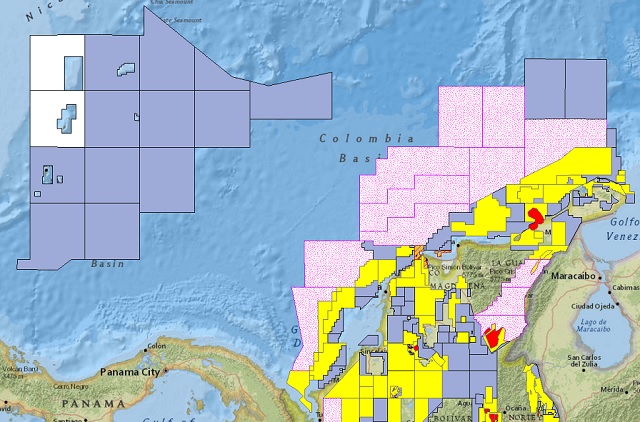
The Minister of Mines and Energy Germán Arce said that the Caribbean region has the greatest prospectively for both onshore and offshore exploration of hydrocarbons, and represents the future of the industry.
The USO said that it is advising and accompanying a group of 14 communities in protests against Ecopetrol (NYSE:EC) in Orito, Putumayo.

Our quarterly look at Ecopetrol (NYSE:EC) Line-of-Business (LoB) results usually focuses on comparatives. But the real story in 2Q16 was the increase in EBITDA from the E&P business.
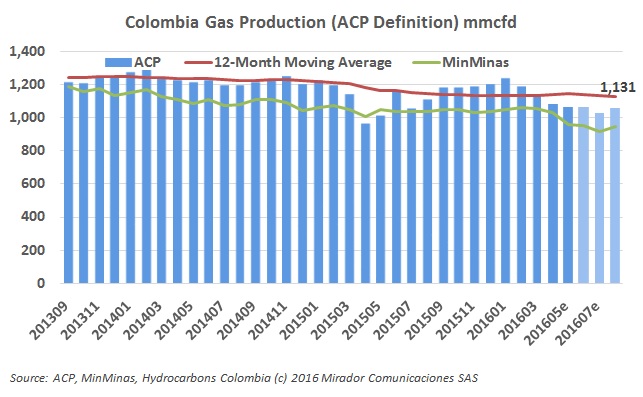
GasThe Ministry of Mines and Energy (MinMinas) published official production figures for August 2016, and reported that gas production was 949mmcfd, a 3.29% increase compared to the month of July.
The president of Colombia’s Conservative Party David Barguil wrote a column saying that it is not enough to merely hope for better oil prices and bet on a diversified productive base, the government must extend urgent measures to the oil industry for the better of the whole country.
Hocol’s plan to drill an exploration well in La Macarena in the CPO-16 block is churning up community opposition, and company representatives allege that there are activists feeding the community with bad information to increase resistance.

2026, Hydrocarbons Colombia, All Rights Reserved.

