

Mining activities in most of Colombia’s regions could be affected soon. More than 92% of the municipalities that develop mining and oil activities in Colombia do not have their Territorial Organization Plan (POT) updated.
The industry keeps working to prove that fracking can be done in a responsible way, despite the ruling from the State Council that put the measure on hold, again.
Industry experts like the Minister of Mines and Energy (MinEnergia), Maria Fernanda Suarez, spoke on the decision of the State Council to maintain the suspension on fracking.
The Podion Corporation and the Colombia Fracking Free Alliance accused Drummond of contempt of court for an alleged violation of the State Council’s rulings.
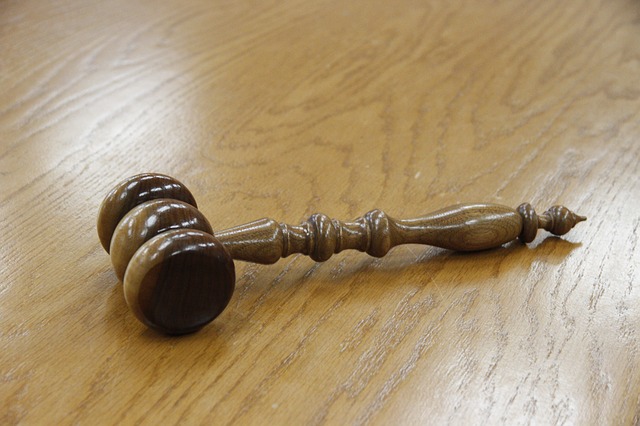
The decision of the State Council to maintain the suspension on fracking generated many reactions in the country. Government leaders and industry experts talked about this decision.
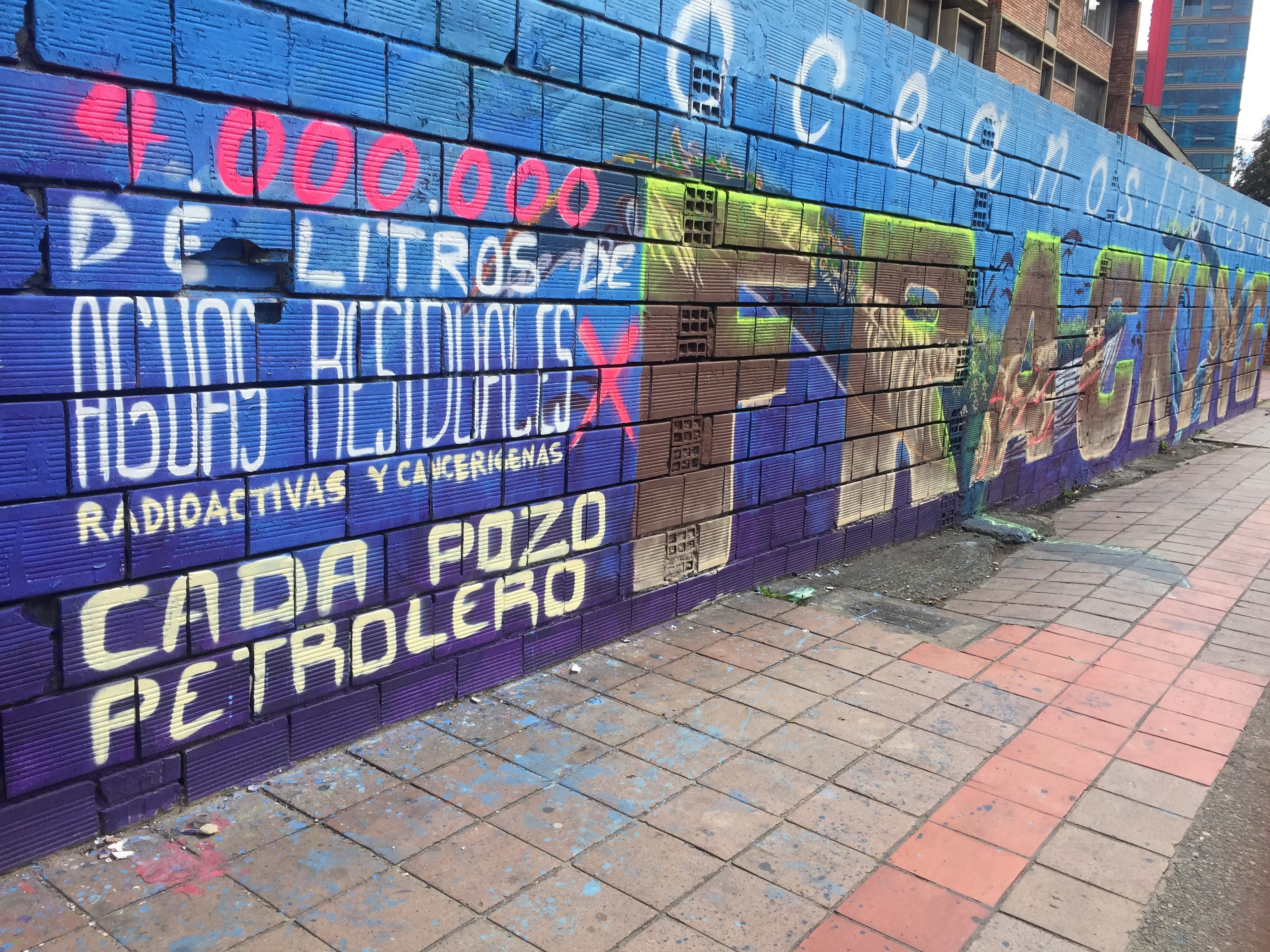
Maybe we should not have been so hopeful. Maybe this was always doomed. It is always easier to say ‘No’ than take a chance on ‘Yes’. No one ever knows the consequences of saying ‘No’, the road not taken.
The firm spoke about Colombia’s options to assure gas self-sufficiency, now that the State Council is about to make a decision on fracking.
Colombia continues to discuss the possibility of implementing unconventional techniques to develop oil projects. This time, the Fifth Senate Commission moderated a debate on the matter.
Natural gas reserves have raised concerns about the possibility of losing energy self-sufficiency in the medium term. Maria Fernanda Suarez, Minister of Mines and Energy (MinEnergia), spoke on this issue and the government’s efforts to solve the problem.
The United Nations (UN) recently held a conference on trade and economic development. There experts talked about Colombia’s exports and their dependence on certain products.

2026, Hydrocarbons Colombia, All Rights Reserved.
