

GeoPark scored highest provisionally for the Corralera Noreste block in Neuquén, Argentina’s Ronda 1/2026 exploratory round, run by Gas y Petróleo del Neuquén (GyP).
GeoPark CEO Felipe Bayón told Acipet’s XXIII Colombian Oil, Gas, and Energy Congress in Bucaramanga that Colombia’s unconventional resources (YNC) represent a major opportunity, framing the case in terms of national self-sufficiency: “energy sovereignty is about taking control of our destiny,” he said.
Ecopetrol’s board turnover, approved September 15th at an extraordinary shareholders assembly, replaced six of nine members while retaining Ricardo Rodríguez Yee, César Loza, and Luis Felipe Henao.
At Ecopetrol’s September 15 Extraordinary Shareholders Assembly, former senator and minority shareholder Jorge Enrique Robledo challenged President Abelardo De la Espriella’s economic vision for the company, calling it characteristic of “neoliberalism” and warning against treating national and foreign capital as equivalent in company decisions.
Graford Santamaría Valbuena, currently Ecopetrol’s hydrocarbons financial director, was named the company’s new commercial and marketing vice president, taking over after Julio César Herrera Martínez’s mutually agreed departure from the role.
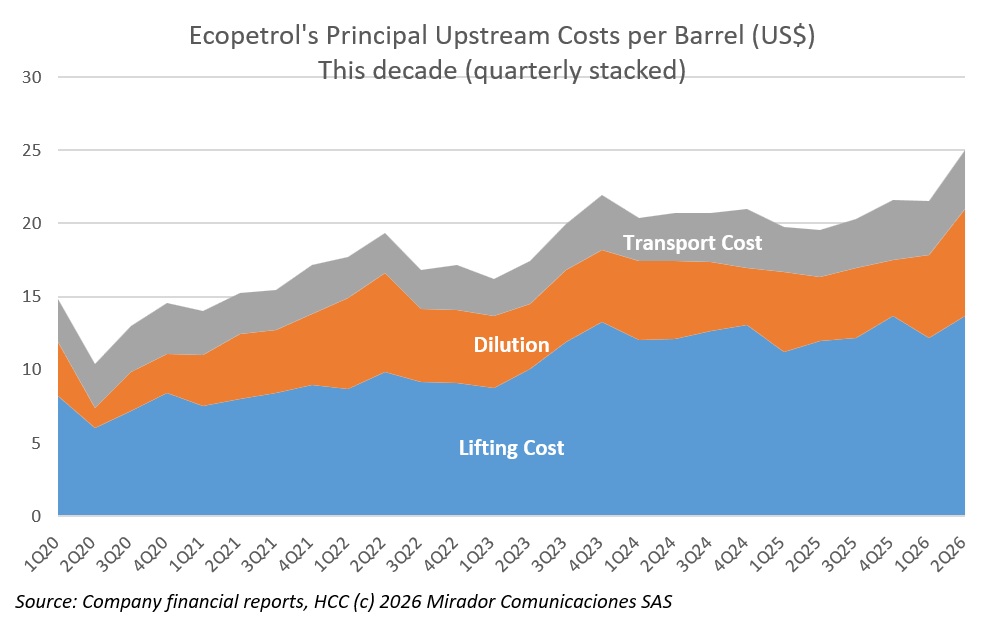
Ecopetrol will implement a company-wide austerity plan for 2027 following Ricardo Roa and Juan Carlos Hurtado’s departures and the board turnover, covering project studies and design, professional services and contracting, and travel expenses.
The Superintendencia de Sociedades identified 15 natural gas supply contracts – down from the 19 originally covered by a Canadian court’s insolvency ruling – as potentially subject to termination in Canacol Energy’s Colombian contracting review.
Ecopetrol’s new board elected Carlos Augusto Suárez Rojas – lawyer, political consultant, and one of President Abelardo De la Espriella’s closest strategists – as board chairman on September 17, with unanimous support.
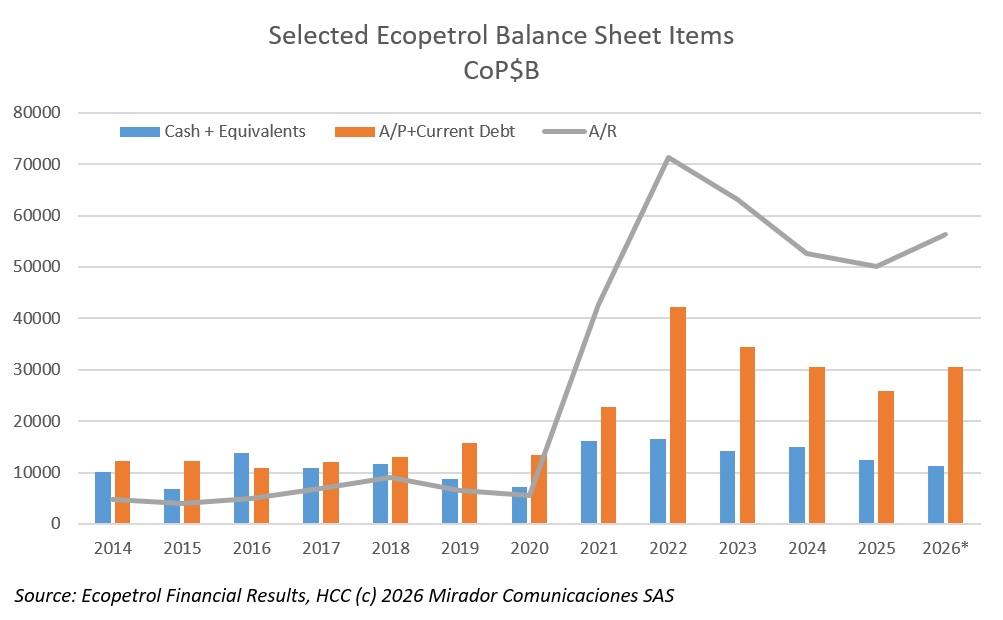
Ecopetrol’s cash position has reportedly fallen to around CoP$1.6T in recent days, down sharply from CoP$11.2T at the close of Q2 after the company paid its final dividend tranche to the government in June.
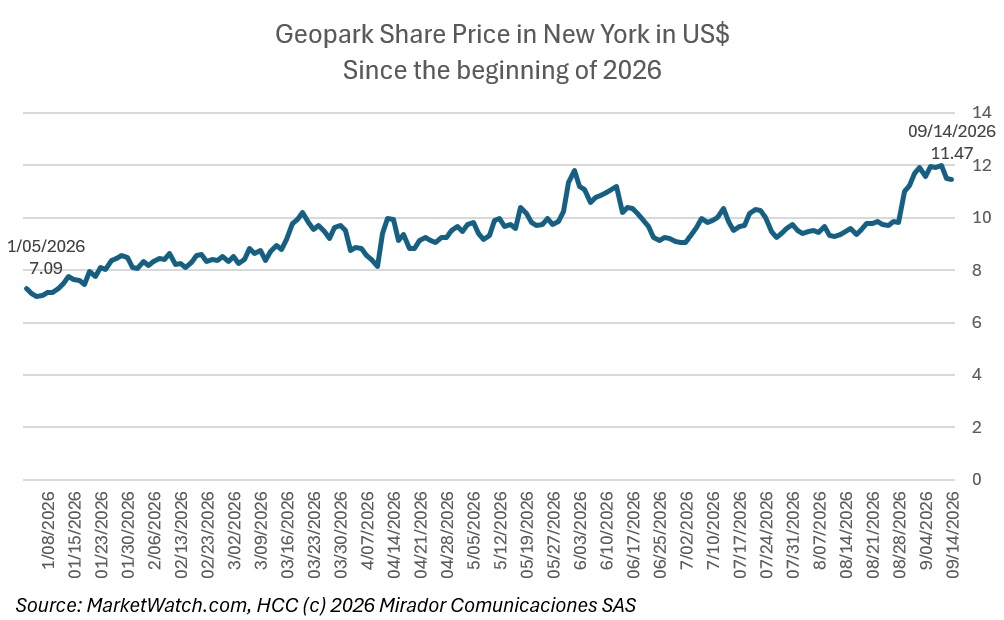
GeoPark is evaluating a dual listing that would let its shares trade in Colombia and eventually other markets, aiming to expand liquidity and access to new investors.

2026, Hydrocarbons Colombia, All Rights Reserved.
