

The government of Nicolás Maduro sent troops to the border with Colombia, arguing that Colombia has been working on a strategy to attack his country.

The decision of the State Council to maintain the suspension on fracking generated many reactions in the country. Government leaders and industry experts talked about this decision.
This is the strategy that Oleoducto de Colombia (ODC) is implementing to increase the volume of crude that it currently transports.
Elkin Mauricio Arboleda Muñoz, Master in Engineering-Mineral Resources from the National University of Colombia (UNAL), conducted a study on the hydrocarbon potential of the Umir formation and the Middle Magdalena basin.
Colombia has been hearing discouraging news on the industry and environmental issues: the opposite of what it needs to hear now that the future of fracking is ‘on hold’. The development of these and more stories in our periodic Eco summary.
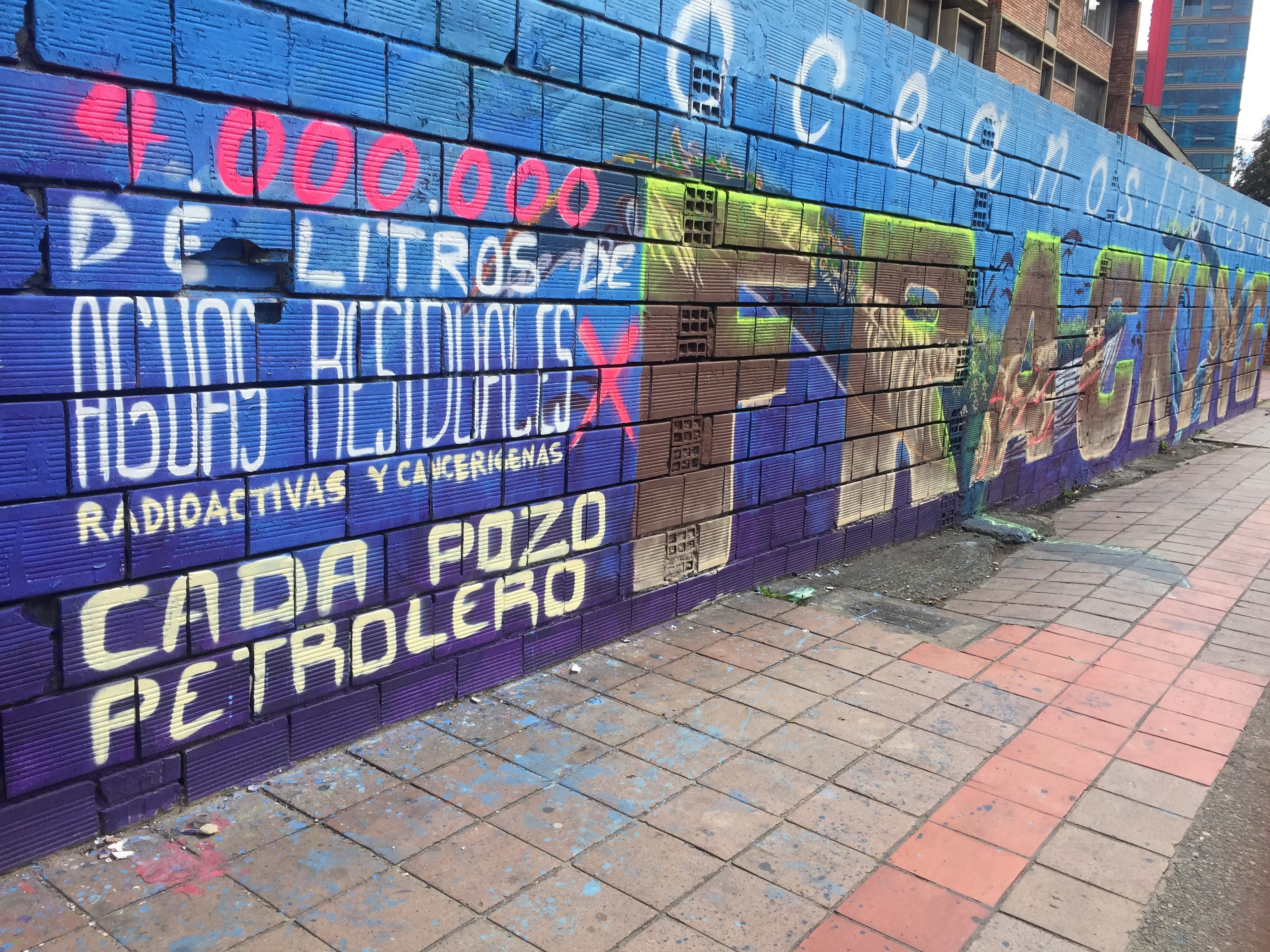
Maybe we should not have been so hopeful. Maybe this was always doomed. It is always easier to say ‘No’ than take a chance on ‘Yes’. No one ever knows the consequences of saying ‘No’, the road not taken.
The firm spoke about Colombia’s options to assure gas self-sufficiency, now that the State Council is about to make a decision on fracking.
Colombia continues to discuss the possibility of implementing unconventional techniques to develop oil projects. This time, the Fifth Senate Commission moderated a debate on the matter.
The Colombian Association of Petroleum Engineers (Acipet) hosted the ‘Can we Achieve a Sustainable Industry?’ forum, together with environmental expert, Brigitte Baptiste.

Promigas wrote a report on the natural gas sector in Colombia, explaining how key issues such as coverage, local distribution rates and transportation costs can affect prices for Colombia’s different economic strata.

2026, Hydrocarbons Colombia, All Rights Reserved.

