

The government of Gustavo Petro presented its Financial Plan for 2023, with optimistic estimates for oil prices. This metric, however, is below expectations.
The outlook for new gas contracts is still uncertain, even though this fuel continues to be considered vital for Colombia’s energy security and transition projects.
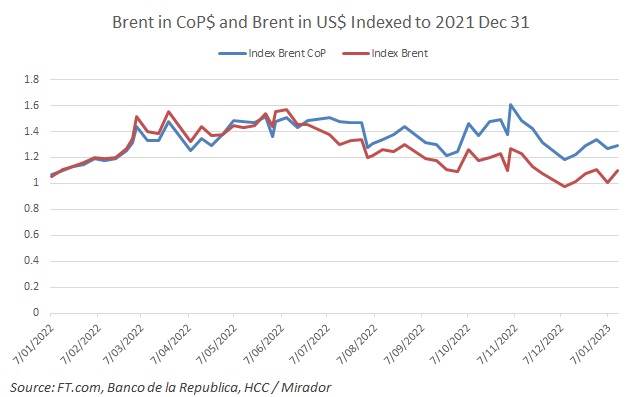
Oil prices increased, once again, for the sixth consecutive day last week, boosted this time by a weakening dollar that makes the barrel cheaper for investors in other currencies.
The government of Gustavo Petro announced a plan for hydrocarbon exports. The plan would also include mining.
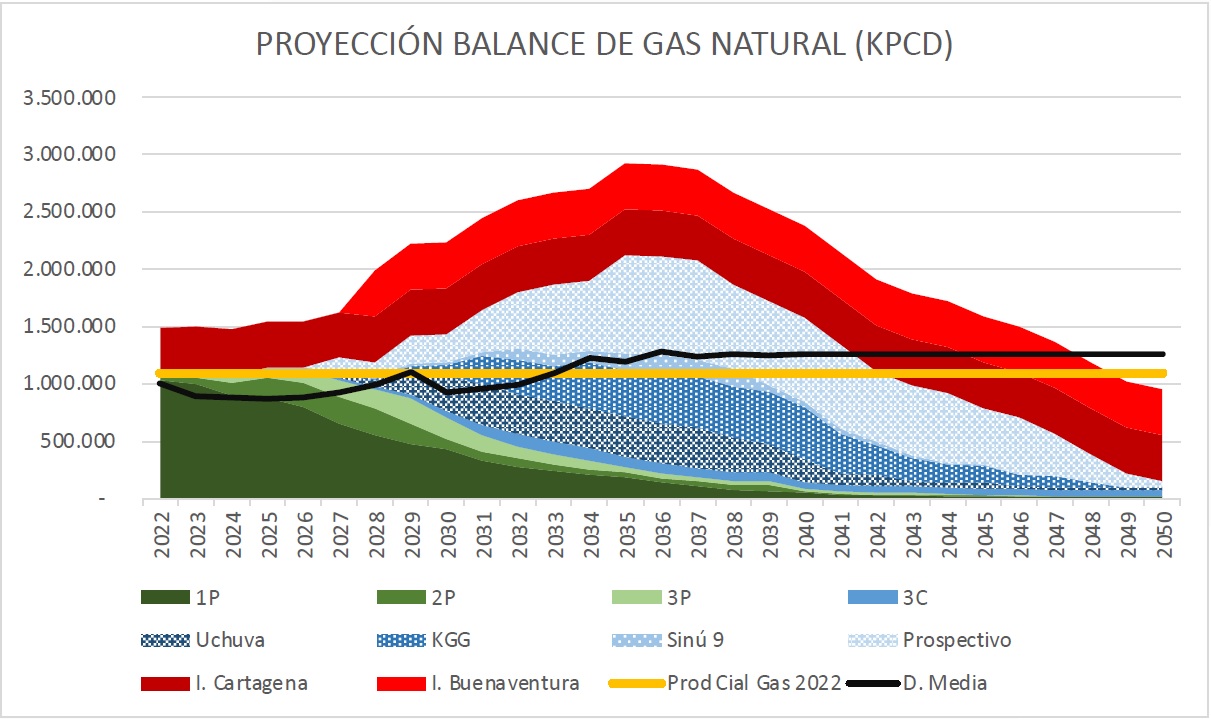
This chart comes from a MinEnergia study released just before Christmas. I would love this graph to be true. Really. No need for gas imports until 2042? Export capability until that time? Fantastic! Don’t get me wrong.
National business newspaper Portafolio recently interviewed National Environmental Licensing Agency head Rodrigo Negrete to understand his plans for the institution. He talked about having more rigor, decentralizing and alluded to formally including community feedback in the licensing process.
The Ministry of Mines and Energy (MinEnergia) confirmed upcoming changes in management and coordination positions at the Vice Ministry of Energy. Here are the details.
The country still relies heavily on oil prices to support its public finances, yet these are starting to weaken, after reporting significant increases last year.
The NOC has formally asked the US government for a license to work with PDVSA. A similar permission was granted to US oil major, Chevron, in November, which the company used to export crude from Venezuela.
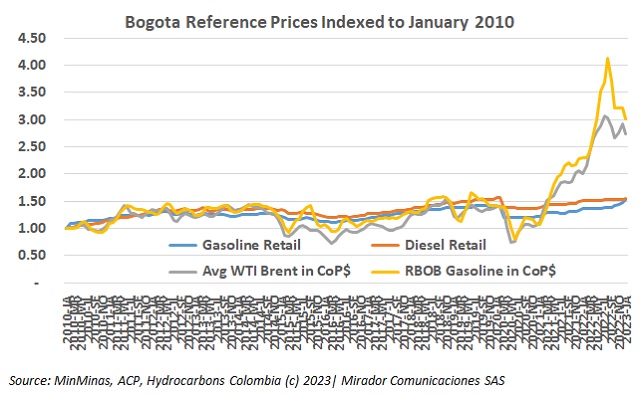
The Ministry of Mines and Energy (MinEnergia) announced fuel prices for January 2023. Here are the details.

2026, Hydrocarbons Colombia, All Rights Reserved.
