

The debate over whether Colombia should consider importing natural gas from Venezuela or other countries to meet its domestic consumption has been ongoing for several months.
The VI Oil, Gas, and Energy Summit hosted a compelling panel discussion centered on the future of natural gas, and self-sufficiency in the medium and long term.
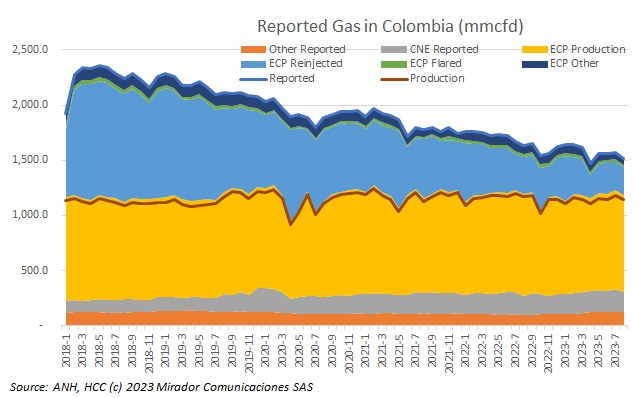
The last week or so was topsy-turvy for Colombian gas with Ecopetrol announcing “the presence of gas” in the Shell-operated Glaucus-1 well but Canacol announcing it had thrown-in-the-towel on its deal with EPM and the associated pipeline connecting Medellin and Jobo. The Canadian E&P simultaneously announced it was limiting its Colombian CAPEX to projects which leverage “existing transportation capacity” and focusing its future-oriented investments on Bolivia. The Canacol announcement will, no doubt, dominate the coffee and cocktail conversations at this week’s Cumbre de Petróleo, Gas y Energía in Cartagena.

Gas imports has been on Colombia’s radar for years, but it takes on added significance during periods of drought, such as the current situation in the energy sector due to the presence of the El Niño climate phenomenon.
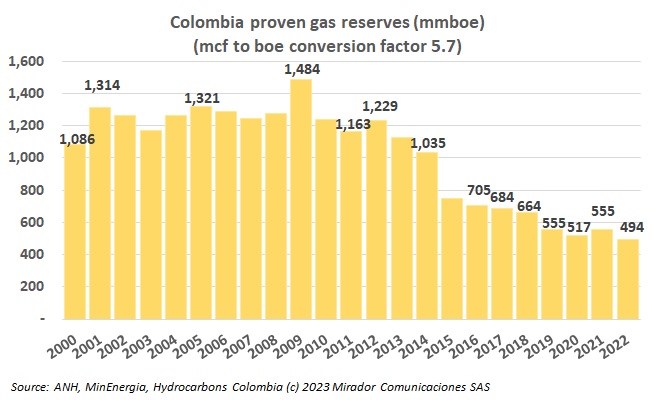
Luz Stella Murgas Maya, President of Naturgas discussed the pivotal role of natural gas in the country’s energy transition.
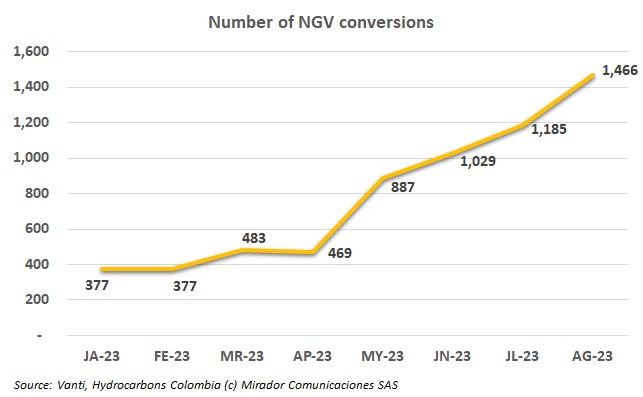
In the first half of 2023, installations of natural gas vehicles have surged by an impressive 268%, according to a report from Vanti.
As Colombia braces itself for the upcoming El Niño phenomenon set to hit in November, Liquefied Natural Gas (LNG) emerges as a crucial fuel for the electric sector to prevent potential power shortages.
In Colombia’s ambitious journey towards a sustainable energy future, natural gas has emerged as a crucial component.

A recent report from Fitch Ratings highlights significant discoveries by international investors and a global preference for natural gas, indicating that Colombia’s economy and hydrocarbon industry are poised for long-term growth.
In the southern region of Atlántico, Colombia, the arrival of natural gas brings newfound joy to communities like Villa Rosa in Repelón.

2026, Hydrocarbons Colombia, All Rights Reserved.
