

Senators and environmentalists continue to scrutinize a change in expedited environmental licenses, making accusations that the decree is a reworking of protected areas and will weaken conservation efforts. MinAmbiente Gabriel Vallejo meanwhile responded in a Senate debate and to the general press.
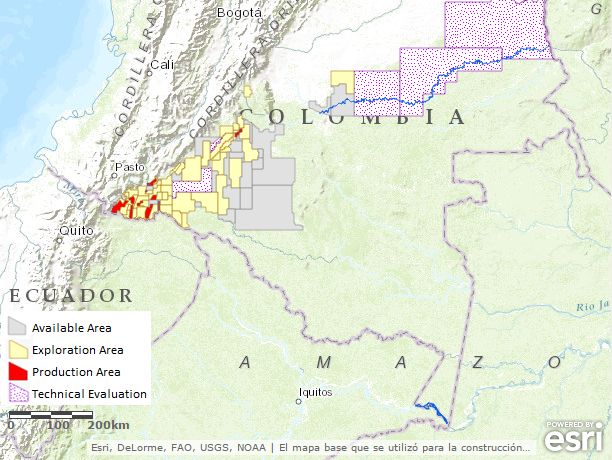
The National Hydrocarbons Agency is making slow advances towards the Amazon basin, which has the potential to greatly increase the country’s proven reserves, but could also ignite conflicts over environmental issues.
A recent seminar held by the Casanare Controller included addresses from two individuals with polar opposite views on the impact of seismic issues and the oil industry in general. The general public went one particular way with their comments.
The Chamber of Representatives took special interest in environmental issues, including the regulations for conservation projects and protected land, while a string of critics hit the press with accusations against the oil industry. These and other stories in our periodic summary of environmental reports.
The Ministry of Environment (MinAmbiente) published the decree 2021 of October 15, 2014, the document which establishes new timeframes for the decision making process that leads to an environmental license.
A number of villages in Yopal have rejected Parex Resources (TSX:PXT) Crytpo-1 project on grounds it would affect the water supply, while the company says the community will not hear their side of the story and assures the water would be safe.
The Minister of Environment (MinAmbiente) Gabriel Vallejo has signed off on a decree that authorizes an expedited licensing process as promised by President Juan Manuel Santos, but which has stoked push-back from environmentalists.

The National Environmental Licensing Agency (ANLA) has rejected 48% of the licenses presented to it for approval, and 118 projects are on standby due to the approval process. The majority are related to the oil industry.
A one-sided report in a national newspaper looks at another area where opposition to mining and hydrocarbons activities is increasing, Bogotá’s own Sumapaz.
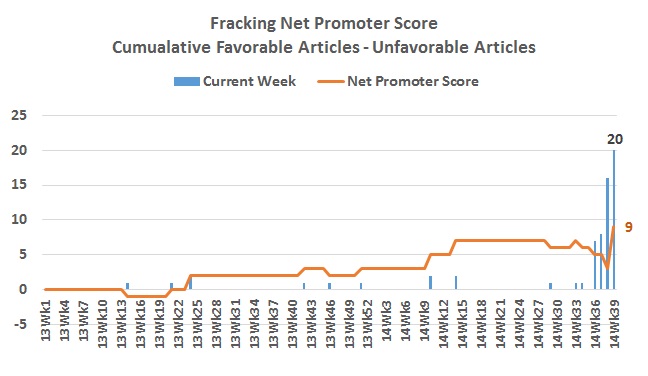
Articles on fracking and unconventional oil and gas technologies in the Colombian press increased for the fourth week in a row. But this past week, the balance was positive.

2026, Hydrocarbons Colombia, All Rights Reserved.
