

Mechanisms of citizen participation such as popular referendums have been one of the main discussion topics in Colombia, as these has affected extractive sector development. The Constitutional Court ruled on this issue.
The National Institute of Roads (Invías) and the National Hydrocarbons Agency (ANH) are studying the option of leveraging the Works for Taxes initiative and develop projects in Casanare. These and other Corporate Social Responsibility (CSR) stories in our periodic summary.
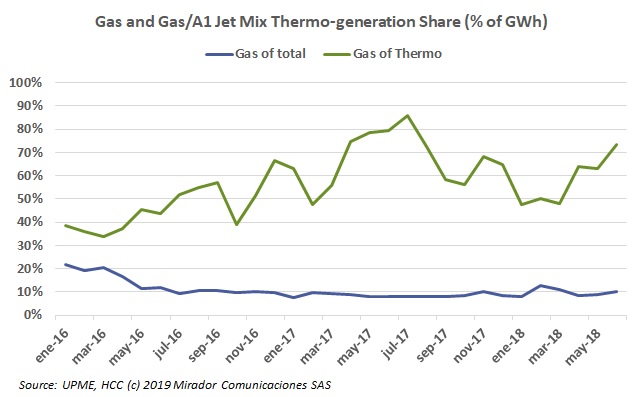
With better weather in Bogotá – it is not raining too much – it seems clear that we are heading into another El Niño weather phenomenon. That means drought and less hydroelectric generating capacity, which, in turn, should mean more demand for natural gas.
President Duque promised to encourage the growth of the extractive sector in Colombia. The Ministry of Mines and Energy (MinMinas) published a project with the guidelines and budget to achieve it.
The government recently announced its National Development Plan (PND), which according to senator Guillermo García (Liberal Party), will have a negative impact on the country’s middle class.
The ELN said they want to restart the peace dialogues and are willing to renegotiate some of the Agreements, but their actions show otherwise.

The Colombian government announced its development plan for the current Presidential period, and energy security occupies a special place in this document. This time we will talk about the government’s goals in this issue.
The Ministry of Mines and Energy (MinMinas) spoke about new regulations and why they will boost Colombia’s development this year.
The government restarted the process to award offshore E&P contracts in the Colombian Caribbean, aiming to boost investments during 2019.
Alberto Carrasquilla, Minister of Finance (MinHacienda), made a proposal about the country’s participation in the Ecopetrol (NYSE: EC) stake, creating a huge debate in Colombia. Analysts spoke on this topic.

2026, Hydrocarbons Colombia, All Rights Reserved.

