


Thursday, September 17th, 2026
Ecopetrol will implement a company-wide austerity plan for 2027 following Ricardo Roa and Juan Carlos Hurtado’s departures and the board turnover, covering project studies and design, professional services and contracting, and travel expenses.
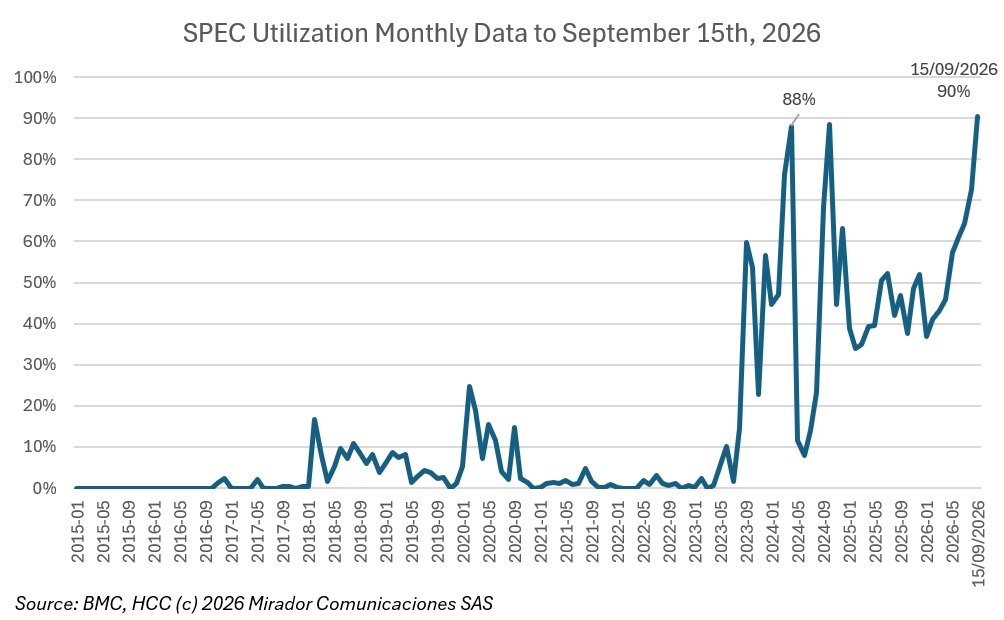
Environment Minister Fabio Arjona detailed his ministry’s measures to shore up energy supply against El Niño during a September 9 congressional debate on the energy sector, the same session where MinEnergia Arboleda warned electricity tariffs must rise. Arjona said the ministry is working across several fronts, including expanding gas and water storage capacity for hydro dams.
Amazónica LNG formalized its contract with China’s Jereh Group, through subsidiary Jereh Oil & Gas Colombia, to advance construction of its regasification project in Palermo, Sitionuevo, Magdalena, an estimated US$180 million private investment.
Ecopetrol’s Extraordinary Shareholders’ Assembly approved a nine-member board for 2026-2029, with the government’s 88.5% stake carrying the vote.
Aquiles Mercado opens this El Heraldo column with the Greek etymology of “periplo” (circumnavigation) to frame Colombia’s growing dependence on imported LNG as a genuine journey with real costs.
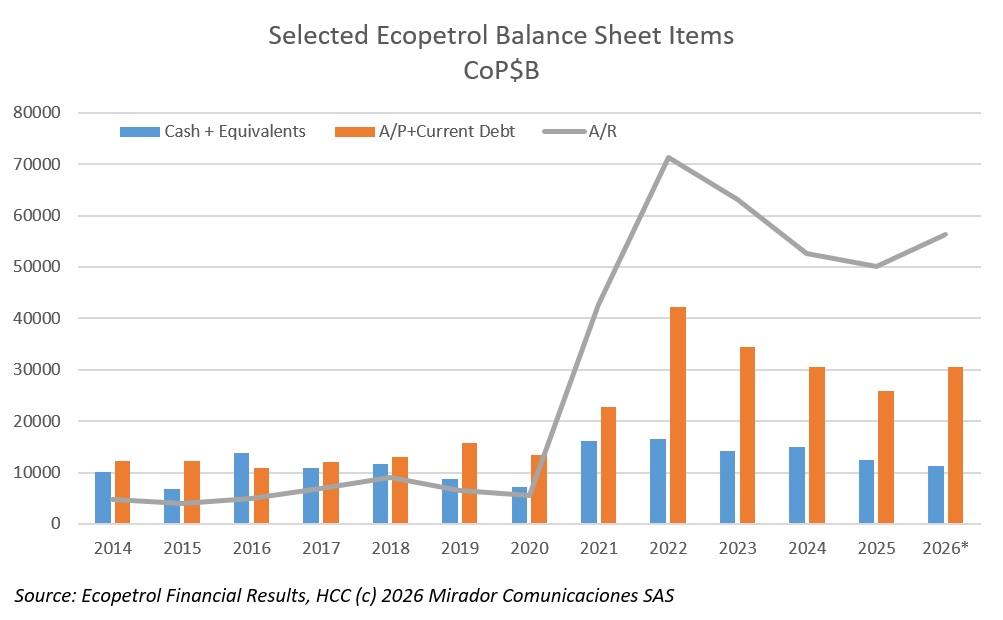
Ecopetrol’s cash position has reportedly fallen to around CoP$1.6T in recent days, down sharply from CoP$11.2T at the close of Q2 after the company paid its final dividend tranche to the government in June.
President Abelardo De la Espriella issued Decree 1373 de 2026, assigning Vice President José Manuel Restrepo a broad interinstitutional and intersectoral coordination role covering state modernization, education, strategic resources, energy security, economic growth, competitiveness, macroeconomic stability, and Colombia’s international investment positioning.



2026, Hydrocarbons Colombia, All Rights Reserved.
