


Thursday, October 1st, 2026
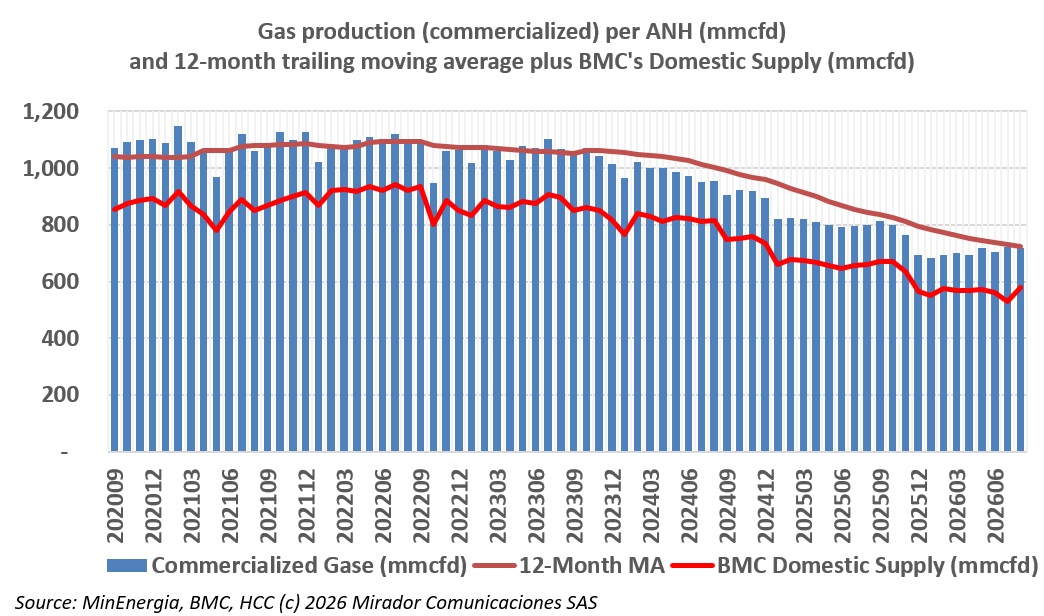
Colombia’s natural gas industry posted across-the-board declines in August, according to figures from industry group Campetrol.
President Abelardo de la Espriella used Joaquín Gutiérrez’s swearing-in as Ecopetrol’s new president to lay out his own energy policy framing, going further than Gutiérrez’s own fracking pledge from the same ceremony.
Investors are taking a cautious, wait-and-see stance on Joaquín Gutiérrez’s appointment as Ecopetrol’s new CEO, a notably cooler reception than the government’s own confidence in the pick.
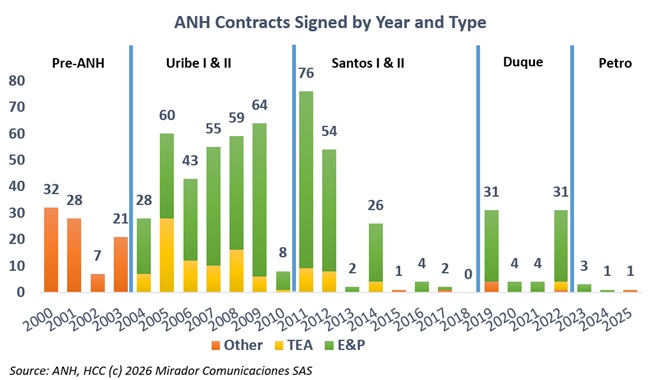
Colombia’s National Hydrocarbons Agency (ANH) used the XXIII ACIPET Petroleum, Gas and Energy Congress in Bucaramanga to lay out both the scale of the country’s exploration slowdown and its plan to reverse it.
Colombia’s National Hydrocarbons Agency (ANH) convened operators on September 15th to review progress and challenges in implementing the telemetry mandate set out in Resolution 0651 of August 2025.
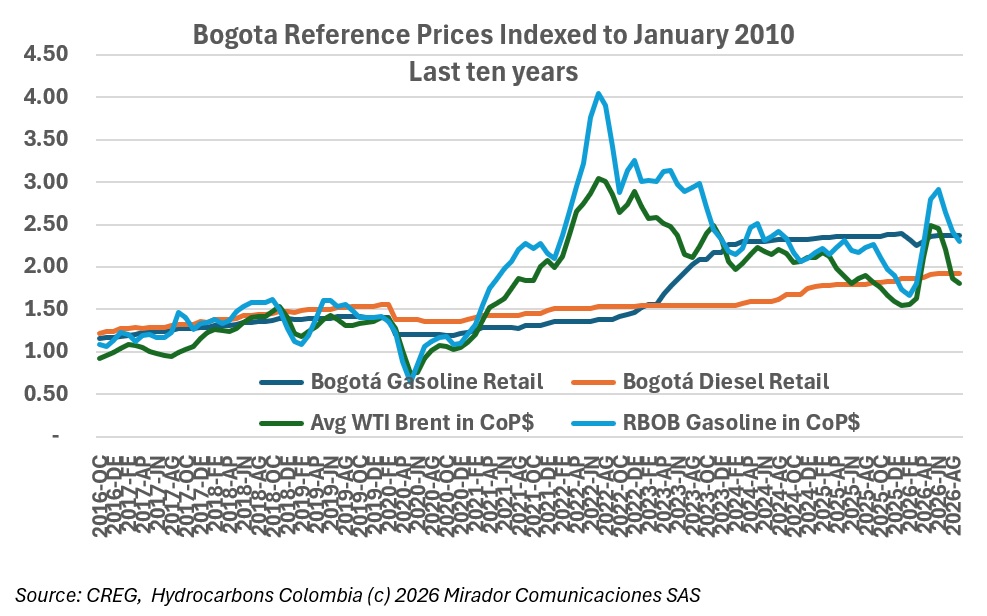
Vice Minister of Energy Armando Cuello said the government has not ruled out eventually raising diesel prices, arguing the current subsidy is unsustainable.
Colombia declared programmed natural gas rationing this week for industrial customers, requiring an explanation of both the mechanical trigger and the broader supply fragility it exposes.



2026, Hydrocarbons Colombia, All Rights Reserved.
