

Wednesday, September 9th, 2026
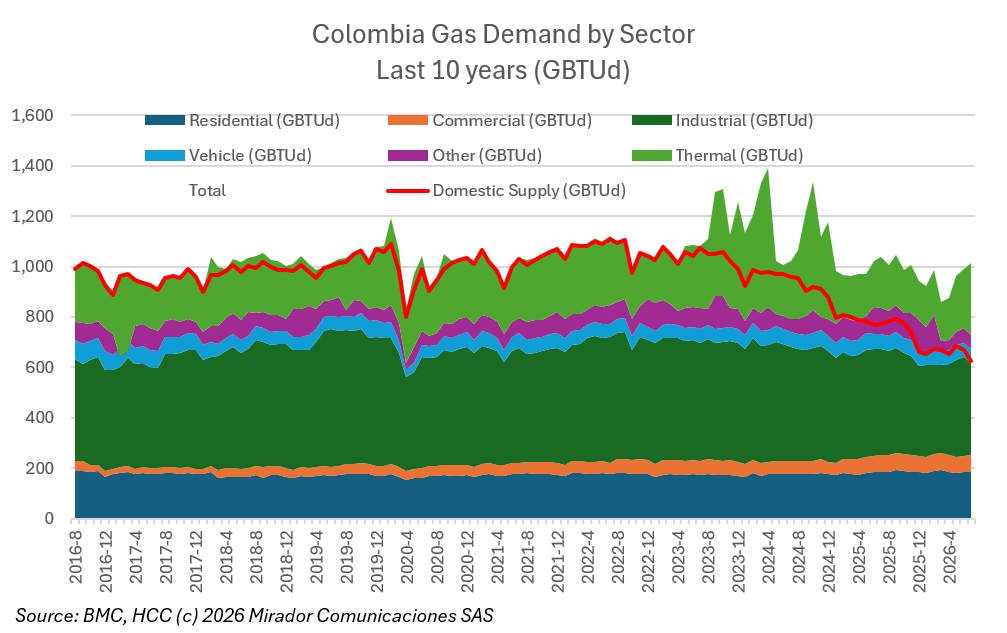
Despite Colombia’s declining proven gas reserves, the country holds resources in its subsoil and Caribbean waters capable of guaranteeing supply and continuing to expand household connections, Naturgas president Luz Stella Murgas said in an interview.

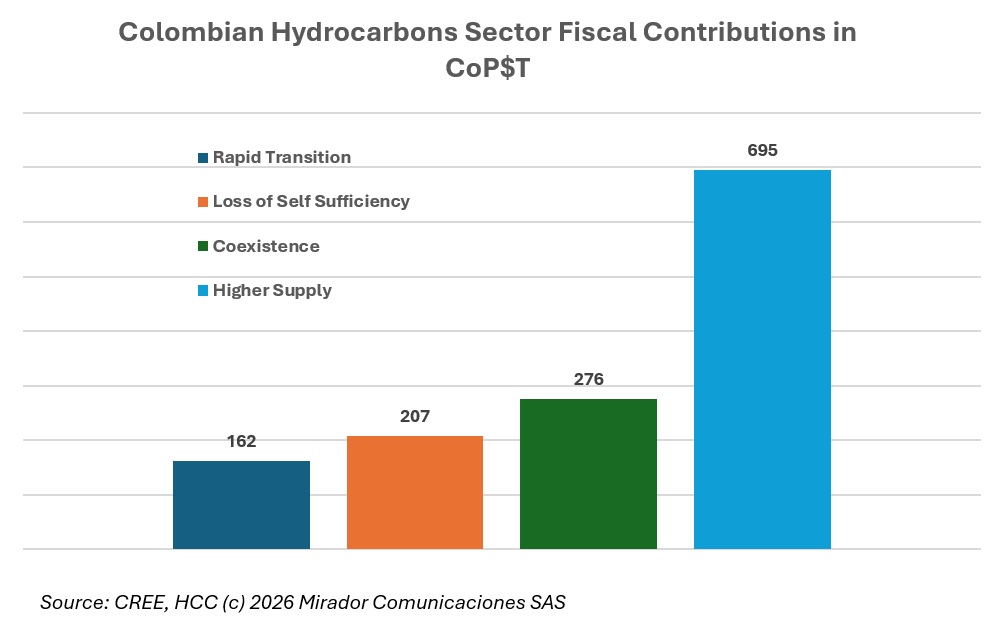
A joint study by six industry trade associations argues that decisions Colombia makes today on oil and gas exploration will determine how much fiscal capacity the country has to fund earthquake reconstruction, poverty reduction, and social priorities through 2050.
Promigas added more than 122,000 new natural gas users during the second quarter of 2026, bringing the company to 7.6 million clients across its business lines.
Colombia’s Minister of the Interior, Rodrigo Lara, announced changes to his ministry’s Dirección de Consulta Previa, on President Abelardo De la Espriella’s instruction, aimed at speeding up investment and infrastructure projects the government considers priorities.
Colombia’s State Council issued a ruling delimiting the right to protest and establishing civil liability for those who paralyze productive economic activity through violent means, overturning a Meta administrative tribunal’s earlier dismissal of an Ecopetrol claim.
Round one of the presidential elections was in May and we have had Abelardo de la Espriella (ADLE) for a month. What can we expect from now to December?
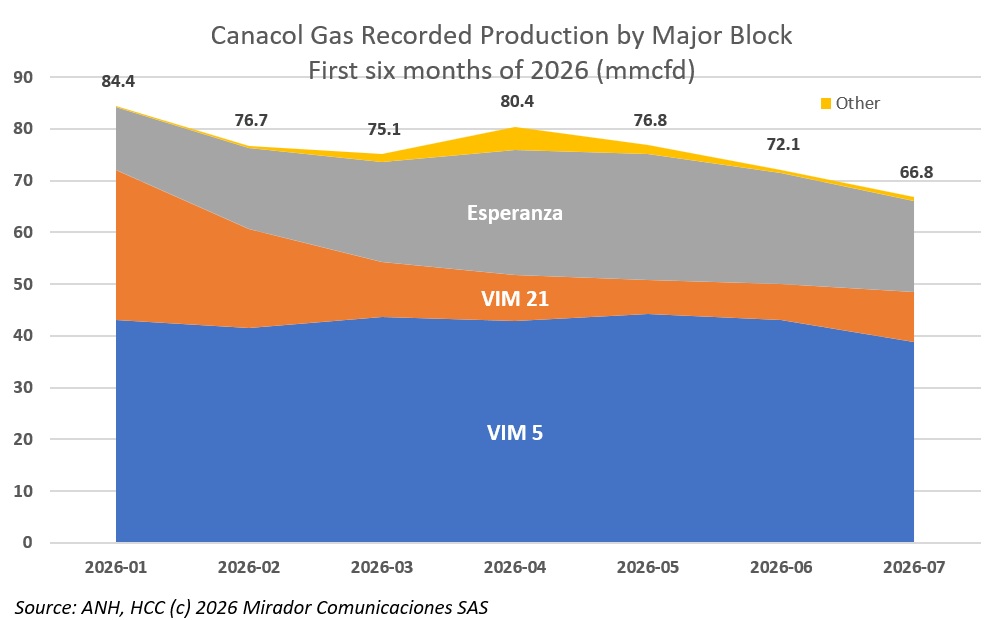
ANH president Ernesto Forero visited Canacol Energy’s Estación Jobo in Sahagún, Córdoba, on August 27 to see the company’s gas operations firsthand and identify concrete sector needs for formulating actions to recover production.



2026, Hydrocarbons Colombia, All Rights Reserved.
