


Monday, September 14th, 2026
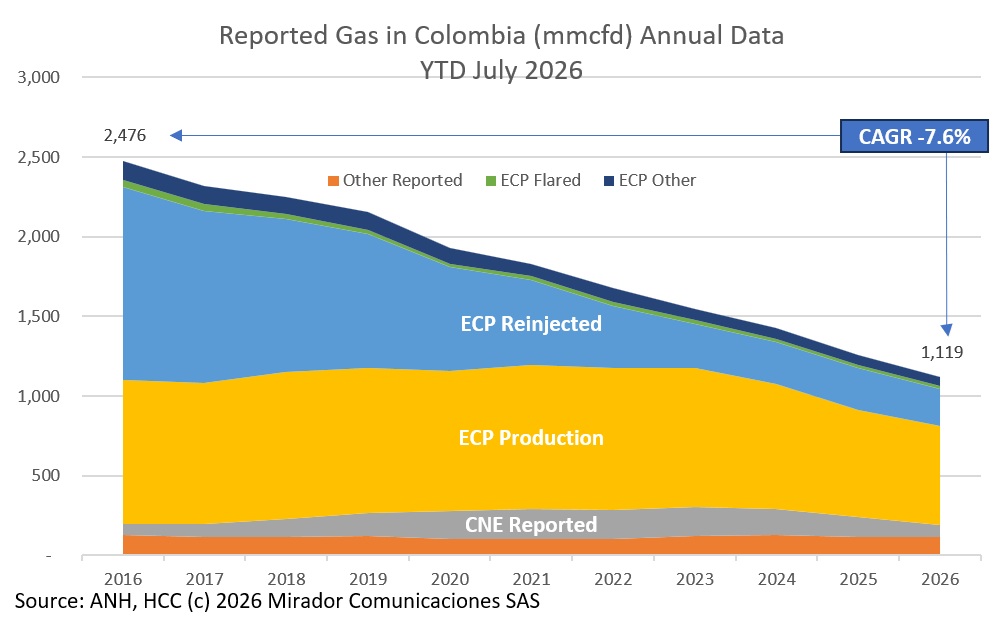
Some might hope that gas production improves since SPEC is reaching its capacity and no other LNG import facilities have come online. That’s not the case.
Ecopetrol and the UK Embassy awarded four Colombians — one from Cartagena, one from Barranquilla, and two from Bogotá — Chevening-Ecopetrol scholarships to pursue master’s degrees in energy transition, sustainability, and climate change at UK universities.
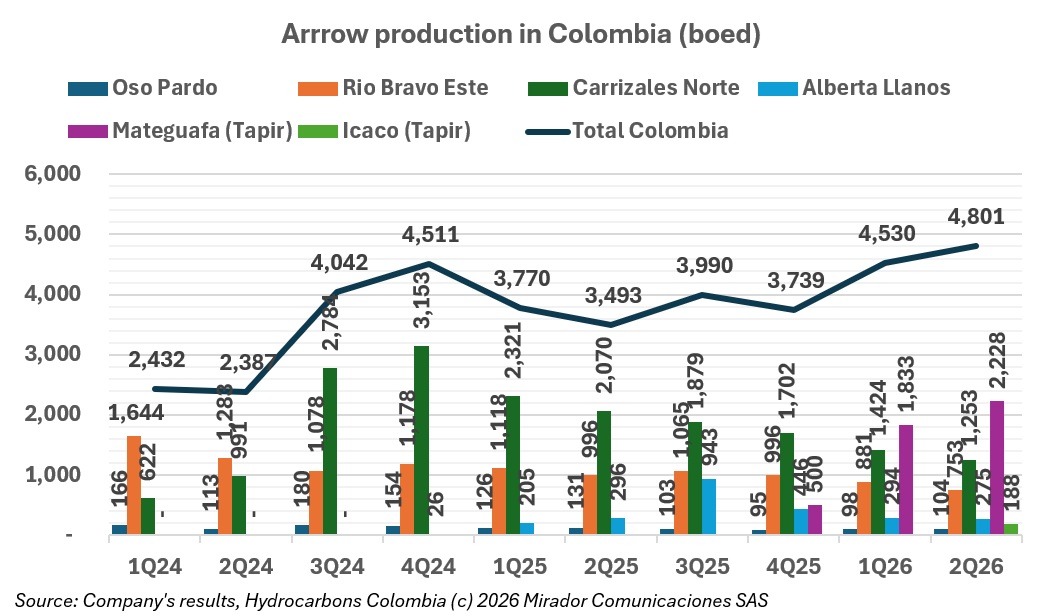
Arrow Exploration reported record total corporate production exceeding 6,000 boe/d — including newly acquired Thorsby field output in Alberta — driven by recent drilling successes, workover results, and the Thorsby acquisition.
GeoPark announced its strategic entry into Venezuela through the Bare Block, a large-scale heavy-oil brownfield asset in the Orinoco Belt with roughly 15.7 billion barrels of original oil in place, over 700 million barrels of historical production, and about 1,100 existing wells.
ACP president Frank Pearl argues in this opinion column that Colombia’s fiscal crisis makes reactivating hydrocarbons investment not just an energy question but a fiscal necessity.
All five senior managers in Ecopetrol’s Executive Vice Presidency for Energy Transition departed September 1, following the July 31 exit of the division’s chief, Bayron Triana — one day after Ricardo Roa’s own departure from the presidency.
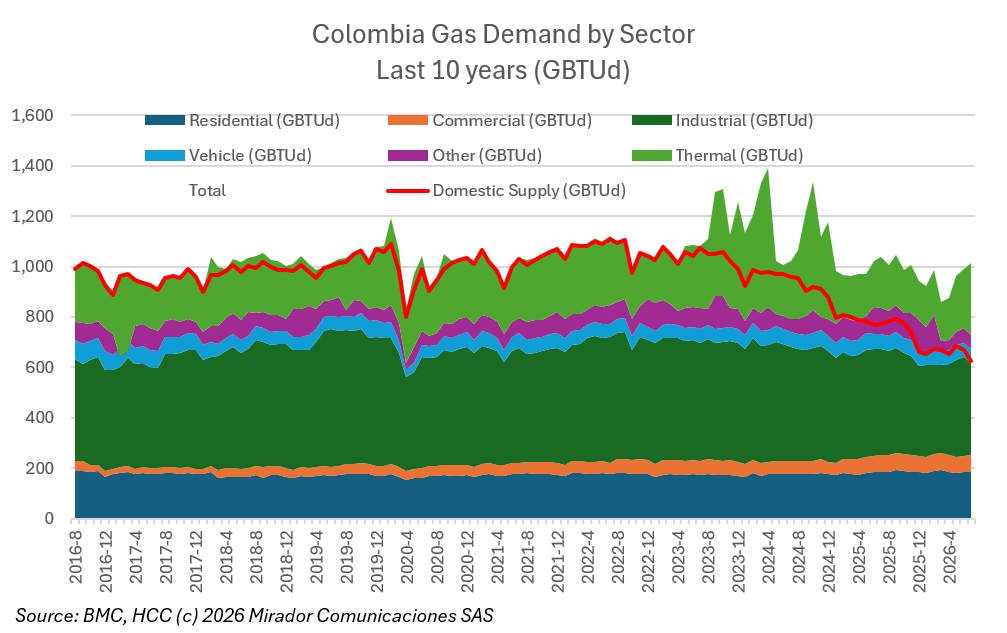
Despite Colombia’s declining proven gas reserves, the country holds resources in its subsoil and Caribbean waters capable of guaranteeing supply and continuing to expand household connections, Naturgas president Luz Stella Murgas said in an interview.



2026, Hydrocarbons Colombia, All Rights Reserved.
