


Thursday, September 10th, 2026
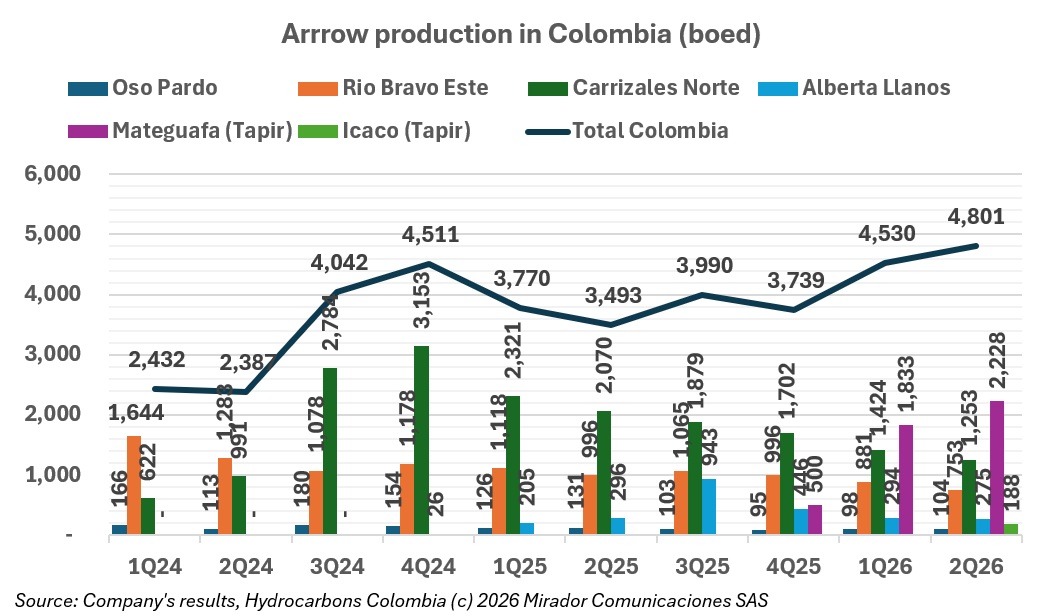
Arrow Exploration reported record total corporate production exceeding 6,000 boe/d — including newly acquired Thorsby field output in Alberta — driven by recent drilling successes, workover results, and the Thorsby acquisition.
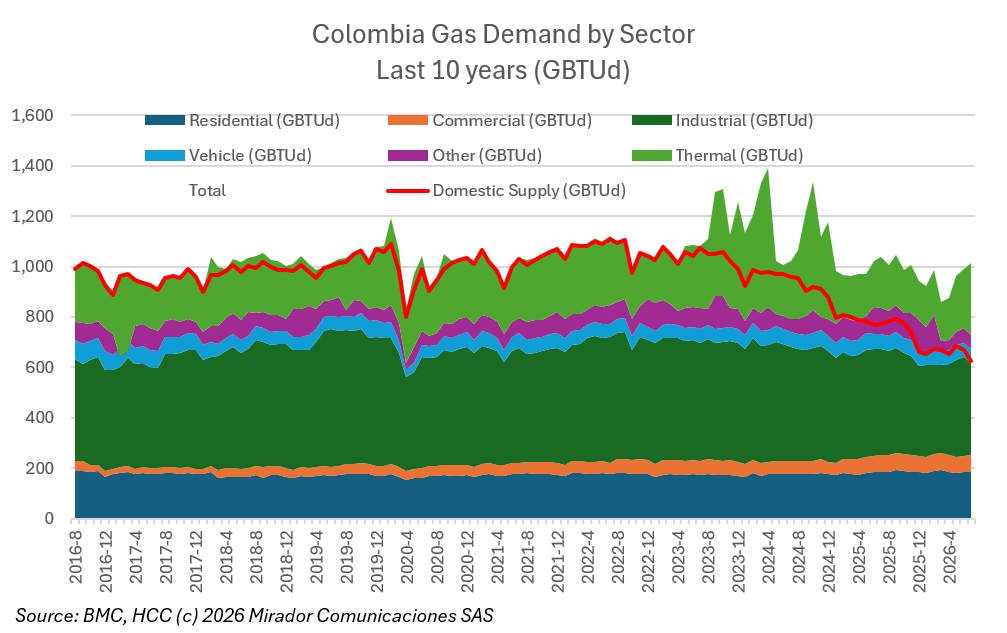
Despite Colombia’s declining proven gas reserves, the country holds resources in its subsoil and Caribbean waters capable of guaranteeing supply and continuing to expand household connections, Naturgas president Luz Stella Murgas said in an interview.
The US reached a deal with Venezuela giving Washington majority control over more than 65 billion barrels of proven oil reserves. President Donald Trump announced August 28, calling it “the greatest oil deal in world history” on Truth Social.
The U.S.-Venezuela “Trump” oil deal is structured around North American Blue Energy Partners (NABEP), a private operator controlled by Venezuelan businessman Alejandro Betancourt, which could invest up to US$100 billion aiming to lift production from just over 200,000 bd to more than 1.5 million bd.
Ecopetrol CFO Camilo Barco left the door open to eventually evaluating opportunities in Venezuela, even as the company keeps its immediate growth focus on markets where it already operates — Colombia, Brazil, the U.S. Permian, and nine other countries.
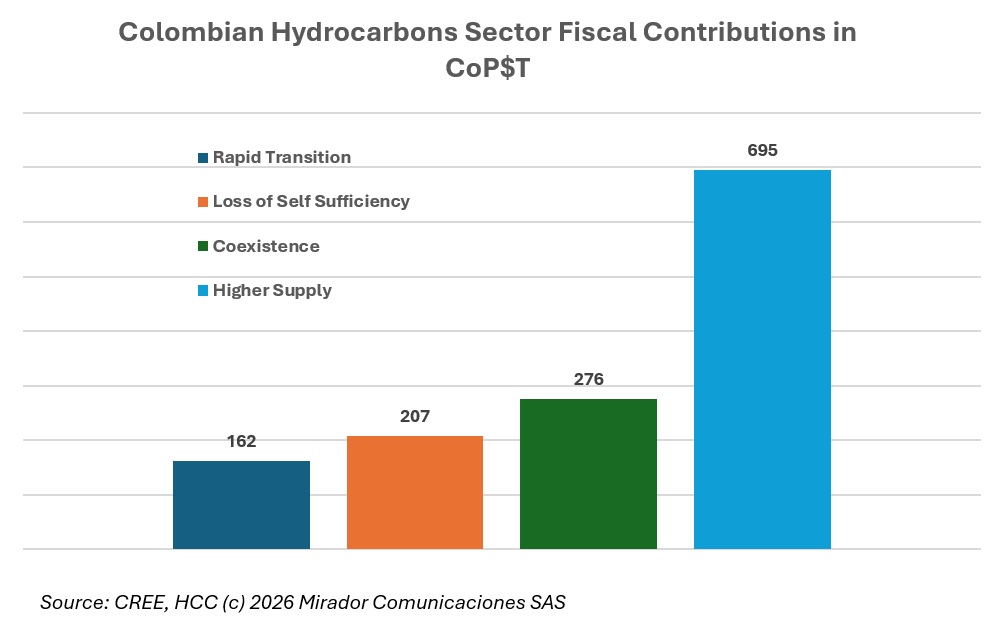
A joint study by six industry trade associations argues that decisions Colombia makes today on oil and gas exploration will determine how much fiscal capacity the country has to fund earthquake reconstruction, poverty reduction, and social priorities through 2050.
Promigas added more than 122,000 new natural gas users during the second quarter of 2026, bringing the company to 7.6 million clients across its business lines.



2026, Hydrocarbons Colombia, All Rights Reserved.
