


Wednesday, October 21st, 2026
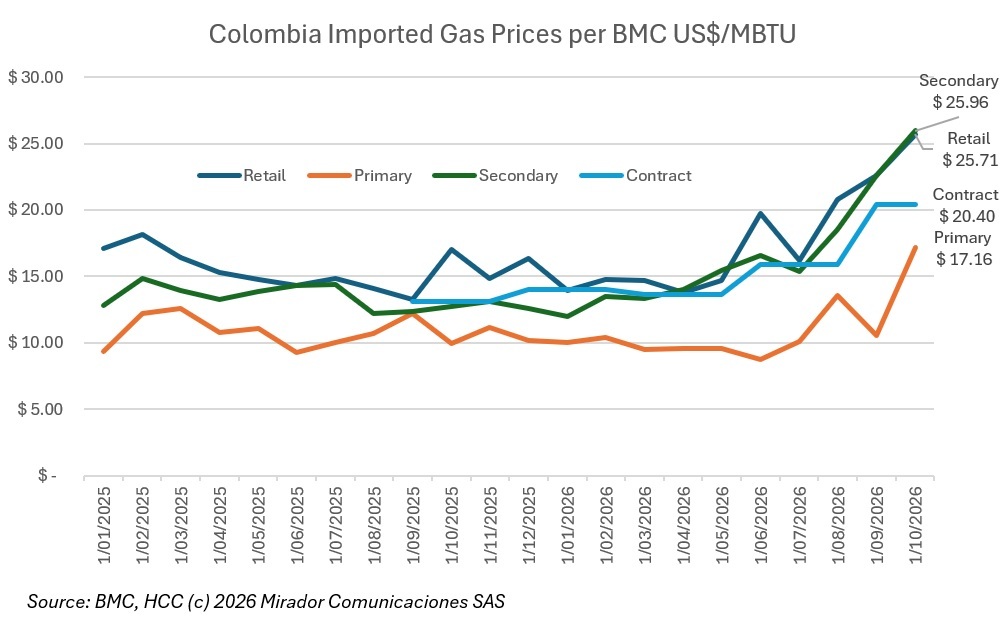
SPEC, the terminal that handles all of Colombia’s LNG imports, is running at its limit, and one energy analyst warns that without new regasification capacity the country could face a gas deficit of 124 mmcfd in March 2027.
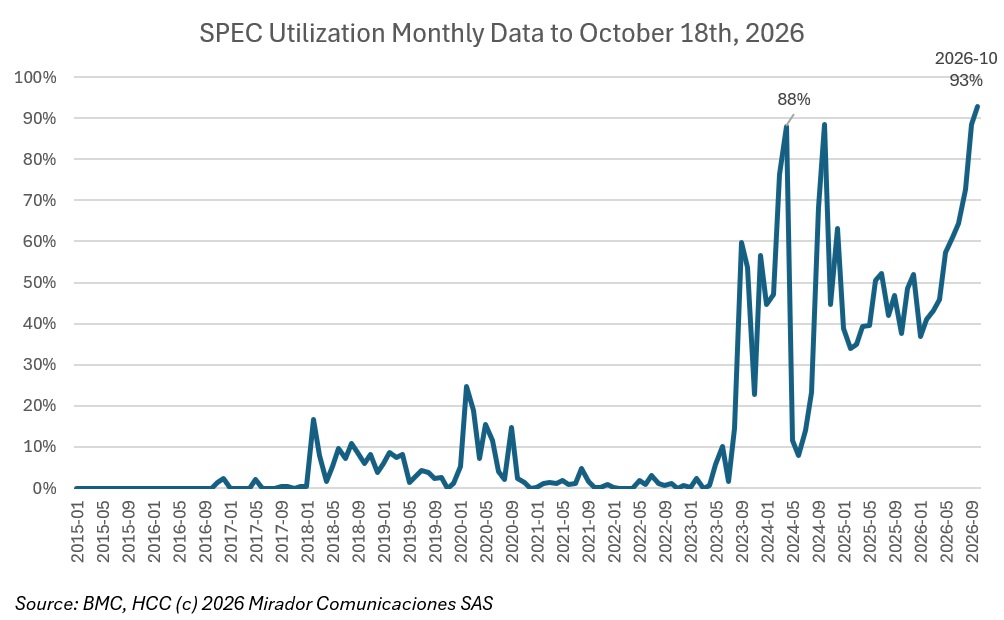
The SPEC LNG terminal in Cartagena is set to add 58 mmcfd of regasification capacity within days, taking it to 533 mmcfd. That would be the country’s only LNG import gateway running at a higher ceiling just as demand pressure builds.
Ecopetrol has declared void the offers it received to import LNG on five-year terms, saying they did not meet minimum commercial conditions, and says it will strengthen domestic gas output and accelerate Sirius.
Colombia’s vice minister of energy, Armando Cuello, has resigned, and press reports say his next stop is Ecopetrol’s gas business.
The new head of Barranquilla’s chamber of commerce has put offshore oil and gas on his list of Caribbean resources to be explored and developed, though he named no block, volume or timeline.
Last week, Colombian President Abelardo de la Espriella signed Directive 06, by which his government hopes to expedite the prior consultation process especially for high-priority energy projects like Sirius. Here we go deeper into the detail. Somehow, this all sounds terribly familiar.
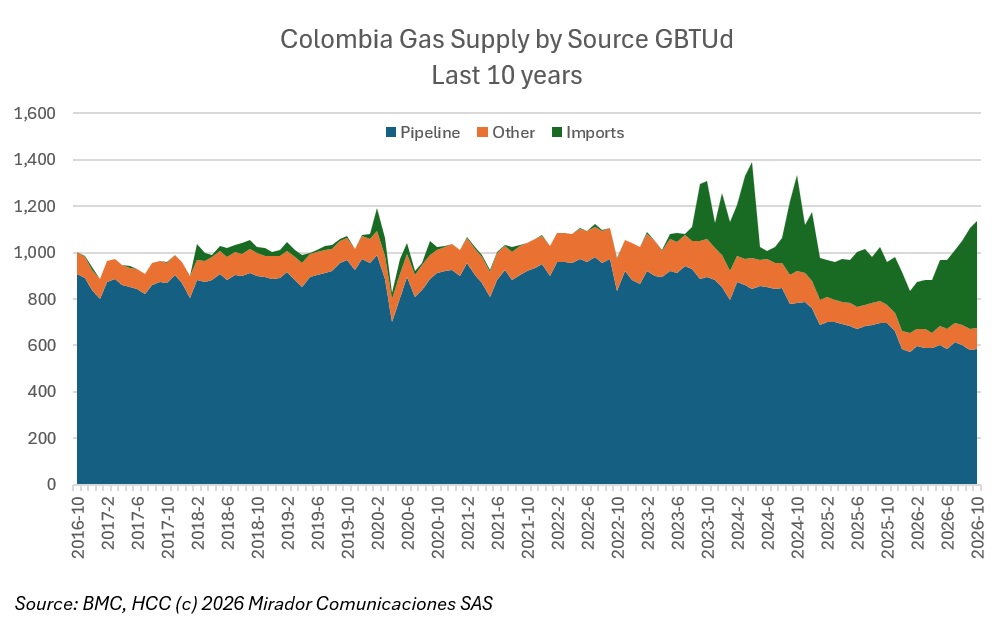
Colombia’s Mines and Energy Minister María Nohemí Arboleda says gas supply could fall short from February 2027 as domestic reserves shrink and imports grow.



2026, Hydrocarbons Colombia, All Rights Reserved.
