
Tuesday, September 29th, 2026
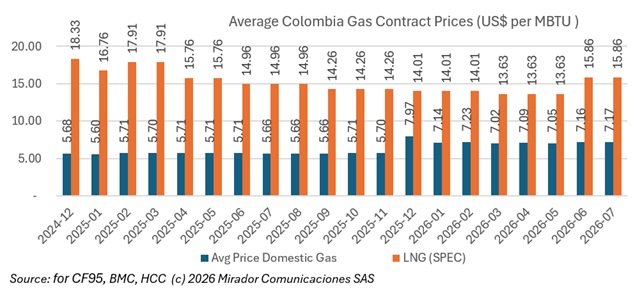
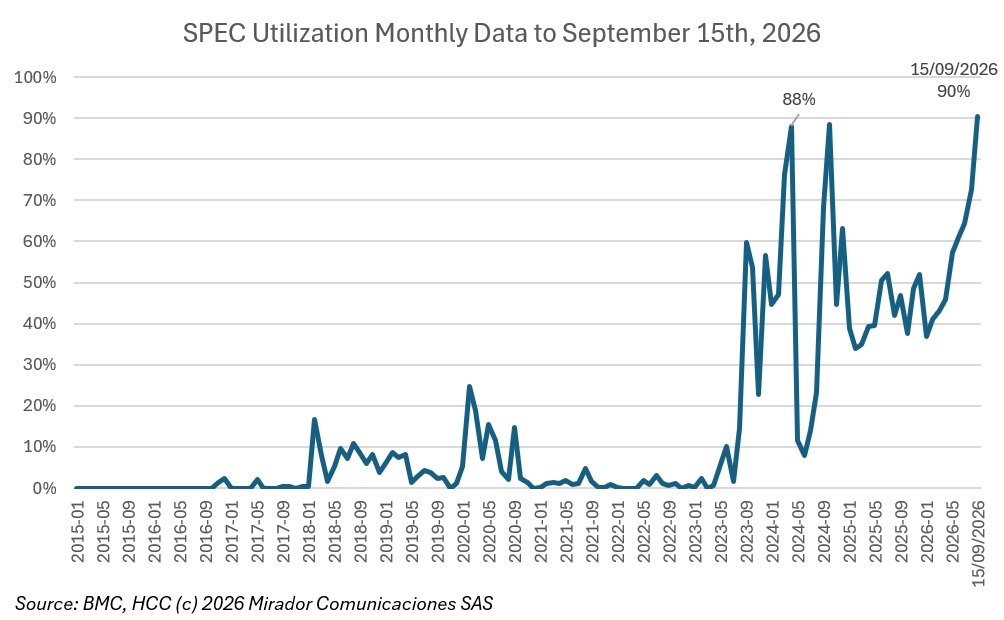
A malfunction in one of the floating regasification unit’s trains at the SPEC terminal in Cartagena forced Colombia into temporary industrial gas rationing starting September 24th, cutting the terminal’s capacity from 475 to 400 mmcfd and restricting roughly 15 GBTU/day of demand normally covered by imported gas.

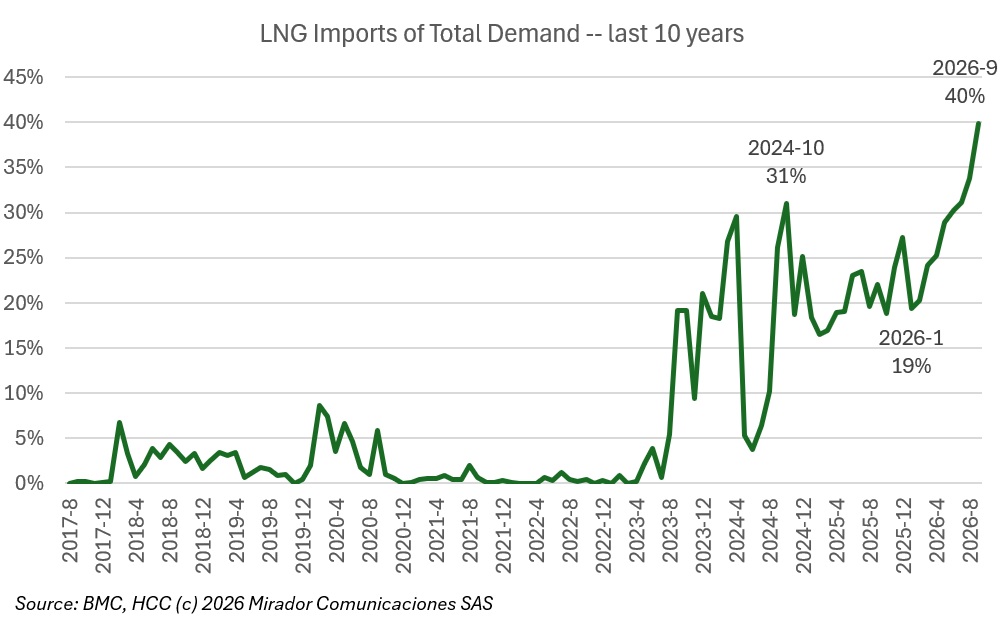
Óscar Rincón, president of the Asociación Colombiana de Ingenieros de Petróleos (Acipet), projected gas imports could reach 35-40% of national consumption by the end of 2026 as El Niño pushes thermal plants toward near-full dispatch capacity.
Ecopetrol’s full board unanimously designated Joaquín Gutiérrez Caballero as the company’s new president on September 24th, following what the company called a structured, agile selection process aimed at finding an “coordinating leader” capable of turning challenges into concrete results.
GeoPark scored highest provisionally for the Corralera Noreste block in Neuquén, Argentina’s Ronda 1/2026 exploratory round, run by Gas y Petróleo del Neuquén (GyP).
Colombia’s biofuels sector mobilized roughly CoP$25T over the past five years: equivalent to about 3% of manufacturing-industry GDP annually.
GeoPark CEO Felipe Bayón told Acipet’s XXIII Colombian Oil, Gas, and Energy Congress in Bucaramanga that Colombia’s unconventional resources (YNC) represent a major opportunity, framing the case in terms of national self-sufficiency: “energy sovereignty is about taking control of our destiny,” he said.



2026, Hydrocarbons Colombia, All Rights Reserved.