

The land reform deal which the Farc and government delegates announced on Sunday May 26 continued to get reactions from the political spectrum in Colombia and beyond.
In 2013 almost none of the assigned royalties from mining and energy production have been executed for regional projects and last year the investment of these funds amounted to only 5% of the total COP9.1TR (US$4.77B).
After allegedly skipping out on repeated debates in the congressional Fifth Commission, congressional members are looking to police intervention to get the head of the Authority of Environmental Licenses Luz Helena Sarmiento to heed their summons.
Ecopetrol has signed a memorandum of understanding (MOU) to form an alliance with Quadrise Fuels International (QFI) and use MSAR technology for processing heavy fuel oil.
The Bicentennial Pipeline (OBC) met with representative of the Disaster Risk Management of Casanare to detail its contingency plan in order to integrate it with the departmental plan.
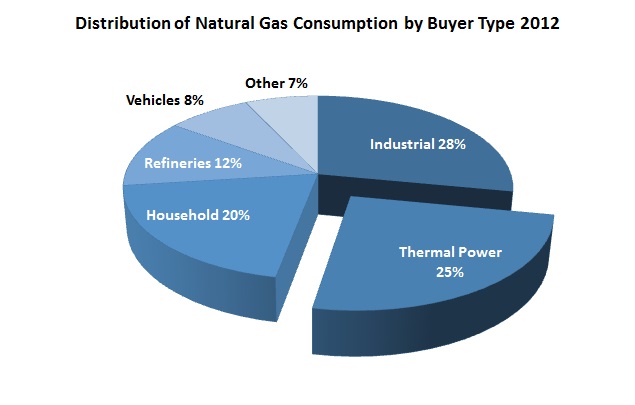
Colombia’s association of natural gas producers Naturgas has formulated three proposals that it says will make gas more competitive for industrial use. It has presented its proposal to regulatory authorities for their review.



2026, Hydrocarbons Colombia, All Rights Reserved.

