

In addition to considering that there could be a gas shortage in the country by 2018, the Comptroller General showed its concern about the effects that delays in the planning and implementation of new gas projects could have.
Oil spills near the Magdalena River, Casanare and Barrancabermeja, were reported by inhabitants of local villages, and one of them sued Terpel for alleged continuous oil spills in Las Mirlas village, Barrancabermeja. However, initiatives to create a eco-friendlier environment by using natural gas are being studied by important companies. The development of these and more stories in our periodic Eco Summary.
The topic of the year so far is gas. EPM is the second largest gas distributor in Colombia. Carlos Arturo Diaz, Vice President of Gas at EPM, spoke about goals and challenges for this year.
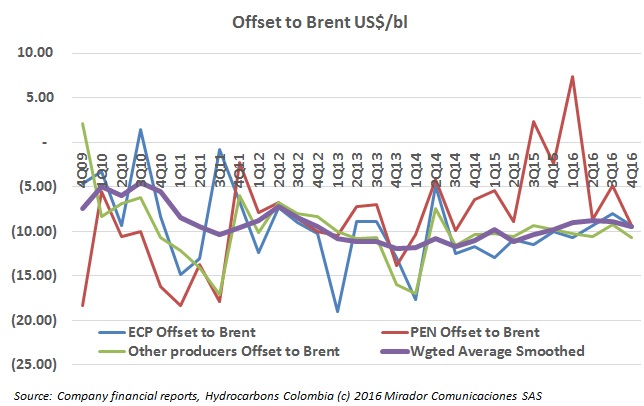
Last year was difficult for the sector because of the continued oil price decline. The industry had to adapt to this environment and learn to operate with the lowest price in 12 years.
Luz Stella Murgas had senior leadership responsibilities in the ANH during the critical period when oil prices started to slide. As such she was involved in many of the initiatives designed to mitigate the impact of the disminution of exploratory activities, production and reserves.
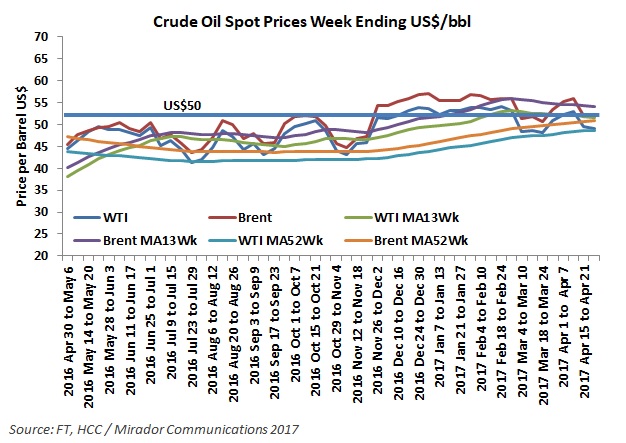
Last December we played ‘Casandra’ and warned not to get too excited by the boost that Brent (and to a less extent WTI) received from an OPEC agreement to reduce production.



2026, Hydrocarbons Colombia, All Rights Reserved.

