
Thursday, September 24th, 2026
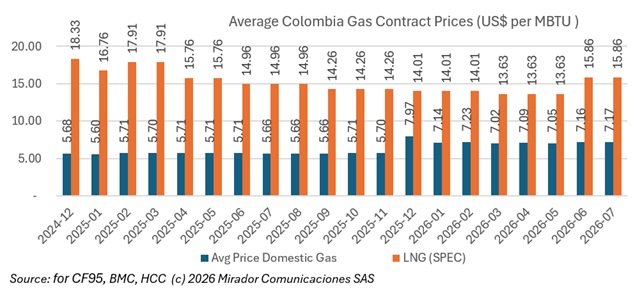
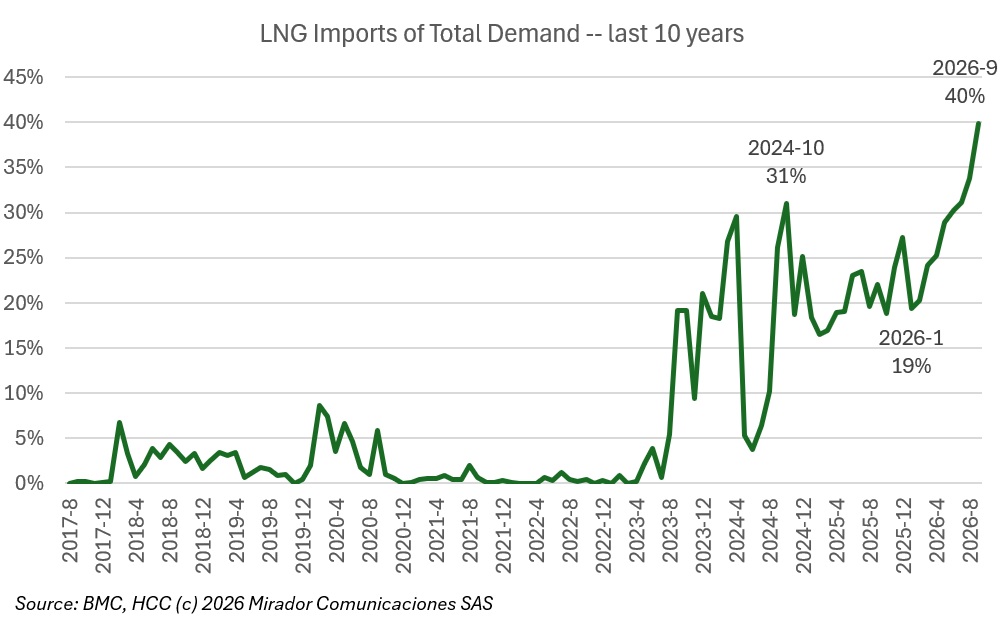
Óscar Rincón, president of the Asociación Colombiana de Ingenieros de Petróleos (Acipet), projected gas imports could reach 35-40% of national consumption by the end of 2026 as El Niño pushes thermal plants toward near-full dispatch capacity.

GeoPark CEO Felipe Bayón told Acipet’s XXIII Colombian Oil, Gas, and Energy Congress in Bucaramanga that Colombia’s unconventional resources (YNC) represent a major opportunity, framing the case in terms of national self-sufficiency: “energy sovereignty is about taking control of our destiny,” he said.
Ecopetrol’s board turnover, approved September 15th at an extraordinary shareholders assembly, replaced six of nine members while retaining Ricardo Rodríguez Yee, César Loza, and Luis Felipe Henao.
Colombia’s gas situation has become the short-term crisis point within the broader energy-security debate, alongside electricity supply concerns raised at Acolgen’s Annual Energy Congress in Bogotá.
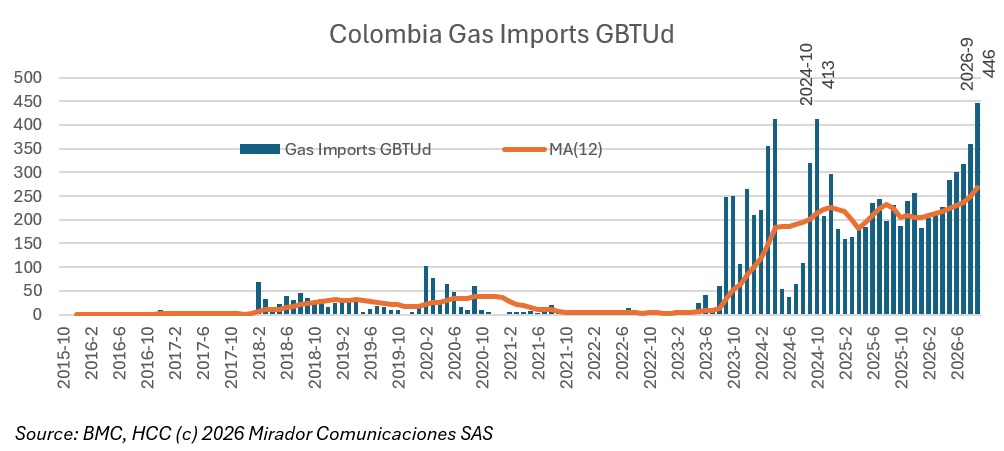
Colombia’s gas imports have surpassed the volumes seen during the 2023-2024 El Niño, with Acipet projecting imports could represent roughly 40% of national gas supply by year-end 2026.
Colombia risks “dismantling, by omission, its own growth engine,” warns Álvaro J. Rodríguez, partner at Posse Herrera Ruiz, even as Brent crude climbs back above US$100/bl on renewed Middle East tension.



2026, Hydrocarbons Colombia, All Rights Reserved.