

Ecopetrol (NYSE:EC), Equion and GeoPark (NYSE: GPRK) spoke about the successful development of their social investment projects in their areas of influence. These and other Corporate Social Responsibility (CSR) stories in our periodic summary.
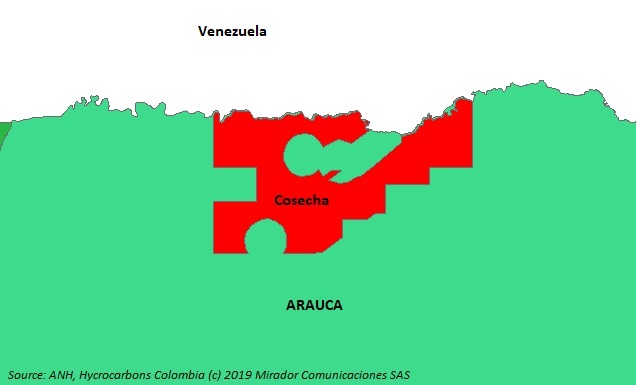
Ecopetrol (NYSE: EC) continues to develop its exploration campaign in Colombia, bringing good news to the country. The NOC announced a new discovery in the department of Arauca.
Colombia’s oil reserves are coming to an end. The National Hydrocarbons Agency (ANH) explained why this will soon change.
Ecopetrol (NYSE: EC) recently launched an international alliance campaign, allowing it to share markets and international scenarios with industry leaders. The NOC will continue its strategy during this year especially Mexico and Brazil.
Rodolfo Anaya talks about the firm’s opportunities and challenges in Colombia, three months after taking office as Vanti’s President.

… especially about the future. Our omnipotent Managing Editor has graciously given the Analyst one more week to complete his methodology analysis of Colombia-focused share prices. We promise. Hopefully. Or maybe the Analyst will be fired.



2026, Hydrocarbons Colombia, All Rights Reserved.

