

While the decrees and studies on how to lower the costs of natural gas in the Caribbean region continue, other regions are now clamoring for a discount in their gas prices as well.
The high prices of sugar and the devaluation of the peso against the dollar have led ethanol producers to losses, said the biofuels industry association Fedebiocombustibles.
It was already burning, and you should not blame the firefighters, said Ecopetrol president Juan Carlos Echeverry in response to questions regarding the role of current ministers and government officials in the overruns of the Cartagena Refinery. This and other stories in our update on this matter.
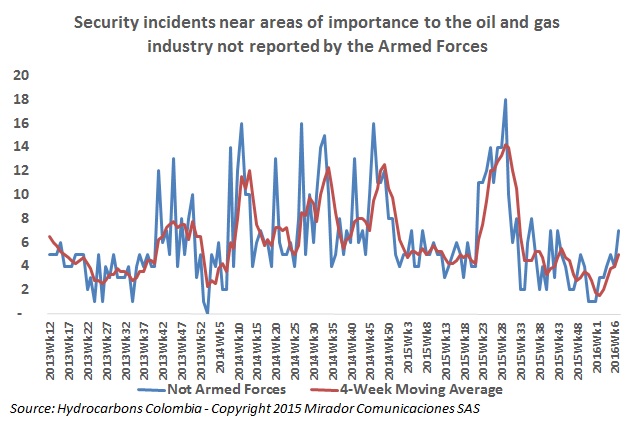
As the pre-negotiations with the ELN stumble on certain items (like the location of the talks), the guerrilla have stepped up the violence to try to weaken the government’s resolve.
The capital of the Atlantico Department, Barranquilla is looking to position itself as the logistics hub for offshore hydrocarbons activity in Colombia’s Caribbean waters.
With “intelligent austerity” governments around the world are looking for the best way to adjust to the oil price levels.



2026, Hydrocarbons Colombia, All Rights Reserved.

