

GeoPark (NYSE: GPRK) enacted a limited-duration shareholder rights plan following a swift stock accumulation by a single investor. The move aims to protect the company’s shareholder value and prevent any one entity from gaining excessive control.
The presidency of Ricardo Roa at Ecopetrol (NYSE: EC) is facing intensifying scrutiny as corruption allegations continue to mount.
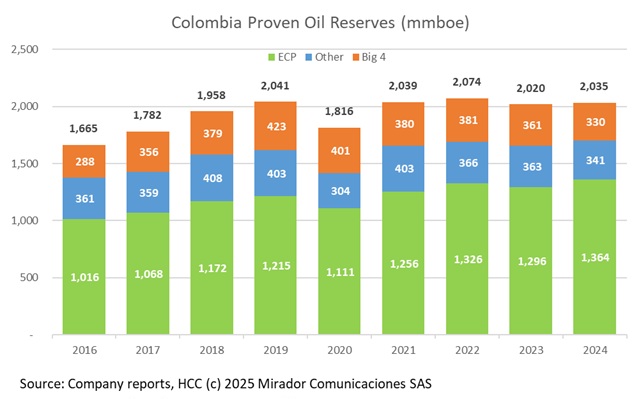
We cannot really blame Orlando Velandia and the ANH for spin-doctoring the recent oil and gas reserves report. His ultimate boss, Colombian President Gustavo Petro, doesn’t need any more bad press. But second derivatives, while interesting, do not tell the story.
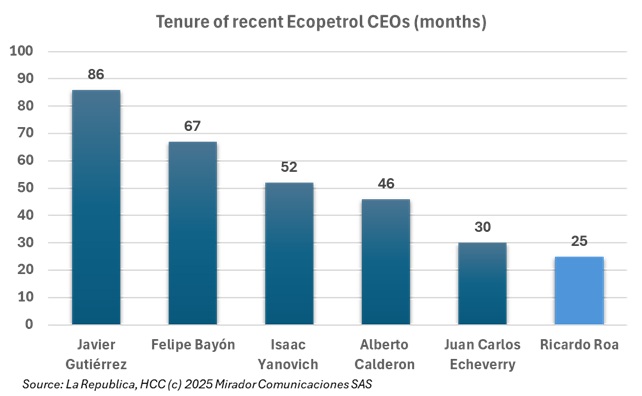
As speculation grows over the possible resignation of Ecopetrol’s (NYSE: EC) current CEO, Ricardo Roa, a historical pattern emerges as since 1998, the average tenure of an Ecopetrol president has been 51 months.
Colombia has been ranked as the fifth most complex country in the world to do business, according to the 2025 Global Business Complexity Index released by TMF Group. The list is led by Greece, followed by France, Mexico, Turkey, and then Colombia.
Oil and gas investment in Colombia is set to decline by 10% in 2025 due to lower Brent crude prices and an increased withholding tax on natural gas companies, according to the Colombian Petroleum and Gas Association (ACP).



2026, Hydrocarbons Colombia, All Rights Reserved.

